1930-01
Double 8 mm Home Film
Double 8 mm of 1932 ran 16 mm-wide film through twice, then split it. Panchromatic black and white at 16 fps, grainier and softer than 16 mm.
heavy grain
Eight millimeters of film, sixteen frames a second, and suddenly the picnic is in color.
Home movies got cheaper in 1932, in the middle of the Depression. The new 8 mm system used 16 mm-wide film with twice as many perforations. You ran it through the camera once, turned the spool over and ran it through again to expose the other half. The laboratory split it down the middle and joined the two halves into one 8 mm reel. Each frame had about a quarter of the area of a 16 mm frame, so the picture was grainier and softer when projected. But a minute of film cost much less, and that put a cine camera within reach of many more families. Amateur cameras ran at sixteen frames a second on a spring motor, wound by hand before each shot, and most were held in the hand. The shots are short and a little unsteady.
By now most amateur black-and-white film was panchromatic, sensitive to red as well as blue and green. Skin looked like skin and a sky could hold its clouds. Then came color that anyone could shoot. In 1935 a multi-layer reversal color film appeared for 16 mm, and in 1936 for 8 mm and for 35 mm slides. It gave dense, saturated reds and deep blues. It could only be processed by the maker's own laboratories, and it needed bright sun. Late in 1936 a German reversal color film with its color couplers built into the emulsion followed, with softer color, olive greens and deep reds.
In the cinema, synchronized sound had fixed 24 frames a second. Newsreels were sharp, contrasty and steady. A three-strip color camera, which split the light through a prism onto three black-and-white negatives, appeared in a cartoon in 1932 and in a full feature in 1935. Its dye-transfer prints were richly saturated, and the camera needed floods of light. 16 mm film with a sound track also ran at 24 fps.
Snapshots changed as much. In 1931 a roll film with wider latitude forgave the box camera's fixed exposure, so fewer pictures came back too dark or too pale. The 35 mm cassette arrived in 1934, and 35 mm color slides followed in 1936. Flashbulbs, first sold around 1930, gave press photographers a hard frontal light that burned out faces and dropped backgrounds into black. Studio portraits of film stars used big lights, glass plates and lenses wide open for a glowing face and a background melting away. Surrealist photographers revived solarization, a partial reversal of tones by re-exposing film or paper to light during development, which leaves dark outlines along bright edges. Photo booths spread to stations and fairgrounds, and some print shops cut snapshots with a wavy deckle edge.
The 1930s base is double 8 mm home film: panchromatic black and white at a 16 fps cadence, held inside the 24 fps file, with grain, softness, a vignette and handheld shake. Flicker and gate weave are now light, lighter than in the 1920s. 16mm Amateur Film is finer and sharper. Handheld Holiday Film shakes more. Indoor Low-Light 8mm sits a full stop under, with heavy grain.
Saturated Colour 8mm and Saturated Color 16mm give warm, dense color with yellowish highlights; the 8 mm is grainier. Muted Colour 16mm has gentler color and contrast, with duller greens. Three-Strip Colour Process pushes saturation hard and lifts the reds, at the full 24 fps with almost no weave, as does Thirties Newsreel 35mm. 16mm Documentary B&W also runs at 24 fps.
In STILL, the base is a 7:5 roll-film print with a white border. You also get a deckle-edged version, two 35 mm slides in rounded mounts, saturated and muted, documentary and candid 3:2 prints with 35 mm grain, a press shot with flash fall-off, a glamour portrait with halation and shallow focus, a solarized print, a photo booth strip, a hand-colored portrait and Faded Depression Album.
With SOUND on PERIOD, your audio goes through an electrical disc recorder of the kind used to cut home and radio recordings on the spot: about 100 to 6,000 Hz, a valve warmth, light disc crackle and hiss, and only a trace of wow. Home cine cameras still had no sound; SILENT gives you a quiet bed of the decade's noise instead.
The color story continues in the 1940s; for how each look is built, see how it works.
Twelve cameras on the TECHNOLOGY dial in CINE mode. Each frame below is the same shot, rendered by the app at DEGREE 7.
Double 8 mm of 1932 ran 16 mm-wide film through twice, then split it. Panchromatic black and white at 16 fps, grainier and softer than 16 mm.
16 mm was the better-off amateur's gauge. Finer grain and a sharper picture at a 16 fps cadence.
Saturated reversal color reached 8 mm in 1936. Warm, dense color with yellowish highlights and the small gauge's grain.
Multi-layer reversal color film reached 16 mm in 1935. Warm, saturated color with yellowish highlights and finer grain than 8 mm.
Sound newsreels ran at 24 fps on 35 mm. Sharp, contrasty and steady black and white with fine grain.
Holiday films shot with the camera in the hand. Strong handheld shake and more weave on 8 mm.
Indoor home movies were starved of light. A stop underexposed, with heavy grain and soft focus.
A German reversal color film of late 1936 carried its color couplers in the emulsion. Softer, muted color with duller greens.
The three-strip camera split light onto three negatives for dye-transfer prints. Strongly saturated, warm color at the full 24 fps, very steady.
Travel footage on 8 mm, shot on the move. Handheld shake with a slightly sharper picture.
The family picnic on 8 mm. Gentle contrast, grain and some handheld movement.
Documentary makers shot 16 mm at sound speed. Black and white at the full 24 fps, sharp and fine-grained, with some shake.
Twelve styles on the STYLE dial in STILL mode, with the print's own shape and border.

A wider-latitude roll film of 1931 forgave the box camera's fixed exposure. A 7:5 warm-black print with soft corners.

Some printers cut snapshots with a wavy deckle edge. A 7:5 warm-black print with a deckled white border.

35 mm color slides arrived in 1936. Saturated, warm color in a mount with rounded corners.

A German color slide of 1936 with softer color. Muted tones and duller greens in a rounded mount.

Documentary photographers worked on 35 mm. A 3:2 neutral print, sharp and contrasty, with visible grain.

The 35 mm camera made candid street photography possible. A grainy, neutral 3:2 print with a white border.

Flashbulbs, sold from about 1930, gave press photographers a hard frontal light. A bright center with edges that fall off into darkness.
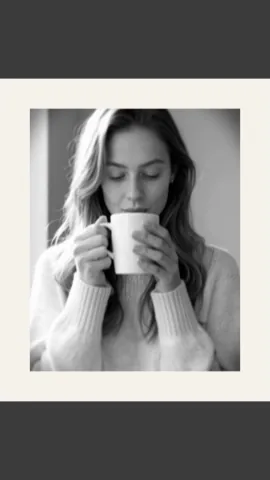
Studio glamour portraits of the decade. Soft glow in the highlights, shallow focus and dark corners on a 5:4 neutral print.
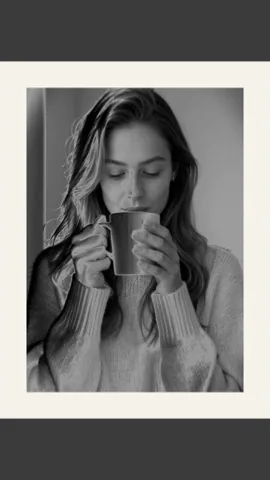
Surrealist photographers revived solarization, a partial reversal of tones. The brightest areas fold back towards dark grey, while the rest of the print stays normal.

A 1930s album page as it looks today. Faded and yellowed, silvered, with scratches and dust.
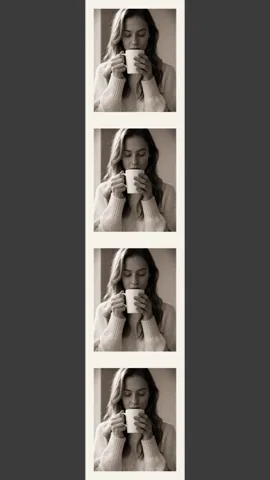
Photo booths spread to stations and fairgrounds. A strip of four sepia copies of your shot.

Hand-colored studio portraits were common. A soft wash of color over a sepia print with paper texture and shallow focus.
A computer voice reading one line, passed through this decade's chain by the app's own audio code (PERIOD, DEGREE 7), with the medium's noise bed. Headphones help.
Electrical Disc Recorder. With SOUND on PERIOD, your audio passes through this decade's chain:
| Band | 100 Hz – 6000 Hz |
|---|---|
| Recorded | mono, like everything the app records |
| Noise bed | 50 Hz hum, hiss, crackle |
| Wow · flutter | 0.35% · 0.15% |
SILENT drops your voice and keeps only this noise bed. ORIGINAL leaves your iPhone's audio untouched. How period sound works
The camera opens on a different decade every day, with one of these facts under the dial.