1900-01
Early Private Motion Picture
A wealthy amateur's 35 mm camera on a tripod. Orthochromatic black and white at a 16 fps cadence, with heavy grain, flicker and gate weave.
heavy grainexposure flickergate weave
Amber for daylight, blue for night: early film took its color from a dye bath.
Film in the 1900s was still 35 mm nitrate, exposed in wooden cameras on tripods and cranked by hand at around sixteen frames a second. What changed was the audience. Films grew from single shots into stories: Méliès sent a rocket into the eye of the Moon in 1902, and The Great Train Robbery came out in 1903. By the middle of the decade storefront cinemas in American cities charged a nickel a show. Private filming stayed rare. A 35 mm camera, its film and the laboratory work cost far more than an ordinary family could spend, so the people filming gardens and garden parties were wealthy amateurs and the professionals they hired.
The emulsion was orthochromatic. It saw blue and green but no red, which is why skies in old films are blank white and red lips print nearly black. The silver grain was coarse. A cranking operator could never hold a perfectly even speed, so exposure wavered frame by frame and the picture flickered. The gate let the film drift a little from side to side, and the projected frame swam against the screen edge.
Color came after the shooting, in the laboratory. Tinting dyed the whole print, so the light parts of the picture took the color: amber or yellow for daylight and lamplight, blue for night, red for fire. Toning worked the other way, replacing the silver in the image with a colored compound, so the shadows took the color and the highlights stayed clear. From about 1905 a French studio sold stencil-colored prints. Workers cut a stencil for each color, frame by frame, and dyes were brushed or machined through them. The colors were flat, a little out of register, and spilled past the edges of the things they colored.
Animators found that a camera could expose one frame at a time. A drawing changed between exposures moved when projected. Émile Cohl's Fantasmagorie of 1908 was drawn this way, and its motion has the jerky, held quality of single frames.
Snapshots, meanwhile, became cheap. In 1900 a cardboard box camera sold for a dollar and took 117 roll film, giving square pictures about 2¼ inches a side. A year later the 120 roll arrived; it is still made. Folding cameras with bellows were sharper, and a postcard-size roll film of 1903 let people print their negatives straight onto postcard backs: the real photo postcard. Prints were contact prints on developing-out paper, warm black or toned brown with sepia. In 1907 the first practical color plate went on sale in France. It carried a layer of potato starch grains dyed orange, green and violet, gave soft pastel color and needed exposures of a second or more in good light. At the other end of taste, pictorialist photographers made deliberately soft prints in gum and platinum to look like paintings.
The 1900s technologies run at a 16 fps cadence, held inside the 24 fps file your iPhone records (how frame holding works). The base is orthochromatic black and white, slightly finer and steadier than the 1890s, with heavy grain, flicker, gate weave and soft corners. Hand-Cranked Motion slows to 15 fps with stronger weave.
The color technologies follow the lab. Tinted Film Sequence puts an amber dye in the highlights and keeps the blacks black. Toned Film puts a steel blue in the shadows and keeps the whites white. Stencil Colour Film reduces your scene's colors to a few flat, pale stencil hues and lets them spill slightly off their edges. Single-Frame Animation holds every frame three times, for an 8 fps step. Period Film Print is the only one with scratches and dust.
In STILL, the decade's base is the box camera's square print with a white border, toned warm black. Around it you get a card-mounted studio portrait, 7:5 folding-camera prints, the long postcard shape, sepia and neutral prints, a pictorialist print with paper texture and a soft glow, and the color plate. Starch-Grain Colour Plate softens color and lays a fine, still mosaic of colored specks over it. Hand-Tinted Postcard washes light color over a sepia print.
With SOUND on PERIOD, your audio passes through an early acoustic phonograph: roughly 220 to 2,800 Hz, a horn resonance, surface crackle and hiss, and a little wow. Film of this decade was silent; the sound is the record player in the next room.
Move on to the 1910s for war newsreels, two-color film and the vest-pocket camera.
Twelve cameras on the TECHNOLOGY dial in CINE mode. Each frame below is the same shot, rendered by the app at DEGREE 7.
A wealthy amateur's 35 mm camera on a tripod. Orthochromatic black and white at a 16 fps cadence, with heavy grain, flicker and gate weave.
Family gatherings filmed outdoors in daylight. A gentler-contrast, slightly sharper picture with steady exposure, grain, flicker and weave.
Ortho film saw blue and green but no red, so lips and cheeks darkened. A soft, contrasty close portrait with grain, flicker and weave.
A simple lens, wide open. Very soft focus, a glow around highlights and darker corners over the decade's grain and flicker.
Tinting dyed the whole print, so the light areas took the color. Amber highlights over deep blacks, the dye used for daylight and lamplight.
Toning replaced the silver image with a colored compound, so the shadows took the color. Steel-blue shadows with clean whites.
From about 1905, colors were applied through hand-cut stencils, frame by frame. A few flat, pale hues over black and white that spill slightly past their edges.
Hand cranking at an uneven pace. A 15 fps cadence with stronger gate weave than the rest of the decade.
Animators exposed one frame at a time and moved the drawing between exposures. Each frame is held three times, for a stepped 8 fps motion.
A print of the decade as it survives now. Scratches and dust, with stronger flicker and weave.
Edwardian garden parties filmed from a fixed tripod. Gentler contrast and a steadier, slightly sharper picture with the decade's grain and flicker.
Newsreel operators filmed events in the street. Harder contrast, uneven exposure and a little camera shake on top of the grain and weave.
Twelve styles on the STYLE dial in STILL mode, with the print's own shape and border.

The one-dollar cardboard box camera of 1900 took 117 roll film and gave square pictures. A 1:1 warm-black print with a white border and soft, dark corners.
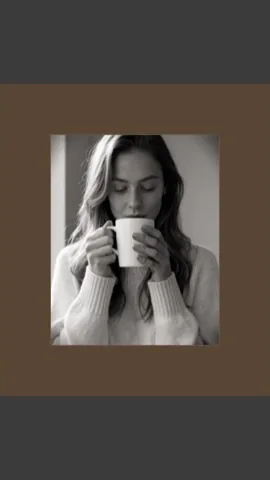
The studio portrait on a glass plate. A 5:4 warm-black print on a brown card mount, with shallow focus and a vignette.

A folding camera with bellows, sharper than the box. A 7:5 warm-black print with a white border and good detail.

From 1903 a postcard-size roll film let people print straight onto postcard backs. A long 17:10 print with a narrow white border and paper texture.

Sepia toning turned the silver brown and made it last longer. A square box-camera print in warm brown.

The plain developing-out print, untoned. A crisp, neutral black-and-white square with a white border.

The 1907 color plate used dyed potato-starch grains as filters. Soft pastel color under a fine, still mosaic of colored specks, with no border.
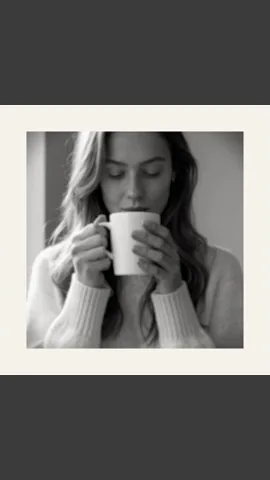
Pictorialists printed in gum and platinum for a painterly look. Very soft focus, glowing highlights and strong paper texture on a square print.

The box camera in full sun at the seaside. Bright and low in contrast, with blank white skies and a glow on highlights.
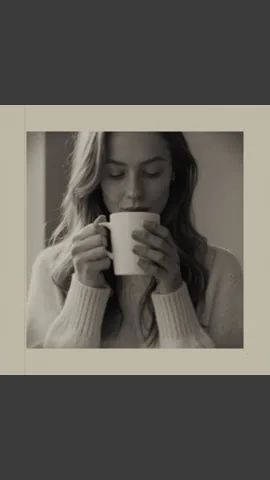
An Edwardian album page today. Faded, yellowed, silvered in the shadows, with scratches and dust.

A glass plate of the garden, carefully exposed. A 5:4 warm-black print, sharper than the box camera, with a white border.

Real photo postcards were often colored by hand. A long postcard print in sepia with a soft wash of color laid over it.
A computer voice reading one line, passed through this decade's chain by the app's own audio code (PERIOD, DEGREE 7), with the medium's noise bed. Headphones help.
Early Acoustic Phonograph. With SOUND on PERIOD, your audio passes through this decade's chain:
| Band | 220 Hz – 2800 Hz |
|---|---|
| Recorded | mono, like everything the app records |
| Noise bed | projector ticks, 50 Hz hum, hiss, crackle |
| Wow · flutter | 0.9% · 0.4% |
SILENT drops your voice and keeps only this noise bed. ORIGINAL leaves your iPhone's audio untouched. How period sound works
The camera opens on a different decade every day, with one of these facts under the dial.