TIME TRAVEL CAMERA™ Download
Decade 1 of 15 · Hand-cranked 35 mm film

1890s

Turn the crank sixteen times a second and the street outside begins to move.

Cadence12–24 fps
Video12 technologies
Photo12 styles
Print shapes4:3 5:4 circular
Sound band250–2.5k Hz
Live in the app · Early Hand-Cranked Camera

Why the 1890s look like this

In the 1890s a moving picture was a strip of celluloid 35 mm wide, with four perforations beside every frame. Edison's workshop settled on that strip early in the decade, and it is still the width of cinema film. Most of the cameras that used it were wooden boxes on tripods, and many were driven by a person's arm. The Lumière brothers' Cinématographe was camera, printer and projector in one, turned by a crank at around sixteen frames a second. Edison's Kinetograph, by contrast, ran on an electric motor and much faster, for the peephole Kinetoscope.

A hand is not a motor. Every turn of the crank was a little faster or slower than the last, so each frame got a slightly different exposure. On the screen that becomes flicker: the whole picture breathes brighter and darker. The film rode through the gate on sprockets cut by early machinery, and it never sat in exactly the same place twice. That is gate weave, the slow sideways drift of the frame against the screen edge.

The emulsion was the other half of the look. Film of the decade saw blue light well and red light hardly at all. Skies burned out to white, red lips and ruddy cheeks went dark, and a sunny street had hard contrast with no detail in the shadows. The silver grains were coarse, and the stock was slow, so filmmakers chased daylight. Edison's Black Maria studio in New Jersey sat on a turntable so its open roof could follow the sun. The lenses were simple, sharp in the middle and soft and dark towards the corners. Bright highlights bled a soft glow into the emulsion around them: halation.

Nobody had home movies. Filming was the business of inventors and showmen, and what they filmed was ordinary life: workers leaving a factory gate, a train arriving, a family at breakfast, a street corner, a dancer on a stage. These one-shot scenes were called actualities.

Still photography had already reached ordinary people. A roll-film box camera of 1888 came loaded for a hundred round pictures, and the whole camera went back to the factory for developing and reloading. Prints were made by contact, laid directly against the negative and printed by daylight. The usual amateur paper was gold-toned to a glossy purple-brown and often mounted on card. Albumen paper, warm and glossy, was going out by 1890. Cyanotype was cheap and printed Prussian blue in the sun. Platinum paper was the expensive choice, with a long, soft grey scale. At fairs and on beaches the tintype, a direct positive on a thin iron plate, was still the quick portrait. Indoors at night there was magnesium flash powder.

What the camera rebuilds

In CINE, every 1890s technology starts from the same base: red-blind black and white, heavy grain, strong contrast, flicker and gate weave, soft corners and a vignette. Your iPhone records a 24 fps file (how cadence works). The hand-cranked technologies hold frames inside it to give a 16 fps cadence, so motion steps the way it did on a cranked camera. Early Hand-Cranked Camera drops to 14 fps with more flicker and weave. Chronophotographic Motion runs at 12 fps and leaves the previous frame lying over the current one, so anything that moves trails a ghost behind it. The Motorised Studio Camera asks for 40 fps. The file cannot go faster than 24, so it plays at the full 24 fps with steadier exposure and little weave.

Hand-Coloured Film keeps the black-and-white picture and lays a pale, soft wash of color over it, as if brushed on. Only Early Film Print carries scratches and dust: it is the reel as it survives today. The other technologies are clean prints of their decade.

In STILL, the 1890s styles use a blue-sensitive mix, so a blue sky goes blank and red goes dark. Each print comes in its period shape. You get a round snapshot on a card, 4:3 contact prints on card mounts, 5:4 glass plates and a 5:4 tintype with no border. The tones are purple-brown, warm albumen, cyanotype blue, platinum grey, sepia and the warm black of the tintype. Faded Victorian Album adds fading, yellowing, silvering in the shadows and wear.

With SOUND on PERIOD, your audio goes through a wax-cylinder phonograph recipe. The band narrows to roughly 250 to 2,500 Hz, a horn-like resonance colors the voice, and surface crackle and hiss sit underneath with a slow, audible wow. No camera of the 1890s recorded sound. The recipe borrows the phonograph of the day, so your clip sounds like a cylinder played beside the screen.

Turn DEGREE down towards 1 and the grain, flicker, weave and softness fade towards a clean picture; the color and the cadence stay. Turn it up past 7 and they grow stronger.

Shooting tips

  • Film a doorway. Put the phone on something steady and film people walking out of a building with Factory Gate Actuality at DEGREE 7. Actualities were single, fixed shots, so don't pan.
  • Crank it harder. Early Hand-Cranked Camera at DEGREE 9 or 10 makes the breathing exposure and the weave stronger over its 14 fps stutter. It suits anyone walking straight towards the lens, like the Lumières' film of a train pulling into a station.
  • Study a movement. For a jump, a swing or a cartwheel, use Chronophotographic Motion. Its trails echo the motion studies that photographers such as Marey made by recording several phases of a movement in one picture.
  • Use red on purpose. Red lipstick and a red scarf turn almost black on blue-sensitive plates. Try Cabinet Card Portrait or Tintype Portrait by a window, and ask your sitter to hold still and look serious.
  • Print in blue. Plants, leaves and lace look right as a Cyanotype Blueprint. Keep DEGREE at 5 or 6 for a crisp print, or push to 10 for a softer, glowing one.

When you want steadier film and the first tints, move on to the 1900s.

1890s video technologies

Twelve cameras on the TECHNOLOGY dial in CINE mode. Each frame below is the same shot, rendered by the app at DEGREE 7.

1890-01

Early Hand-Cranked Camera

The Lumière-style camera, cranked by hand on a tripod. You get a 14 fps cadence with strong breathing flicker, gate weave and coarse grain on red-blind black and white.

14 fps cadence
35 mm film · Orthochromatic black and white
exposure flickergate weaveheavy grainsoft optics
1890-02

Street Actuality

One-shot films of streets and passers-by, filmed in hard daylight. The render is crisp and contrasty for the decade, with heavy grain, flicker and weave at a 16 fps cadence.

16 fps cadence
35 mm film · Orthochromatic black and white
heavy grainexposure flickergate weave
1890-03

Motorised Studio Camera

Motor-driven studio cameras ran far faster than hand cranks. The render plays at the file's full 24 fps with steady exposure, little weave and hard contrast.

24 fps
35 mm film · Orthochromatic black and white
heavy grain
1890-04

Soft Primitive Lens

Simple early lenses were sharp only in the middle. Expect a very soft image, dark corners and a glow around bright highlights, over the decade's grain and flicker.

16 fps cadence
35 mm film · Orthochromatic black and white
soft opticsheavy grainexposure flickergate weave
1890-05

Stage Performance

Music-hall turns filmed head-on in strong frontal light from a camera that never moved. Brighter, contrasty and steady on the tripod, with halation around highlights.

16 fps cadence
35 mm film · Orthochromatic black and white
heavy grainexposure flickergate weavehalation around highlights
1890-06

Chronophotographic Motion

After the motion studies that recorded several phases of a movement in one picture. A 12 fps cadence with the previous frame lingering over the current one, so moving things leave ghost trails.

12 fps cadence
35 mm film · Orthochromatic black and white
gate weaveheavy grainsoft optics
1890-07

Variable Crank Speed

Operators cranked by feel, and the speed was never quite even. A 15 fps cadence with the decade's strongest exposure flicker, plus weave and grain.

15 fps cadence
35 mm film · Orthochromatic black and white
exposure flickerheavy graingate weavesoft optics
1890-08

Travel Actuality

Travel scenes from a camera set down on its tripod at the roadside or quay. Steadier and slightly sharper, with the usual flicker, weave and grain at 16 fps.

16 fps cadence
35 mm film · Orthochromatic black and white
heavy grainexposure flickergate weave
1890-09

Hand-Coloured Film

Some early prints were colored by hand, frame by frame, with a brush. A soft, pale wash of color over black and white, as if brushed on.

16 fps cadence
35 mm film · Hand tinted
heavy grainexposure flickergate weavesoft optics
1890-10

Early Film Print

The same film as it survives today, after decades of projection and storage. Scratches and dust, heavier grain, stronger flicker and weave.

16 fps cadence
35 mm film · Orthochromatic black and white
scratches and dustgate weaveexposure flickerheavy grain
1890-11

Factory Gate Actuality

Workers streaming out of a factory gate, a famous subject of the earliest films. A fixed, contrasty daylight shot with grain, flicker and weave at 16 fps.

16 fps cadence
35 mm film · Orthochromatic black and white
heavy grainexposure flickergate weave
1890-12

Outdoor Family Scene

Families filmed outdoors in the garden or at breakfast. A slightly softer, gentler-contrast version of the decade's look, with a touch of handheld movement.

16 fps cadence
35 mm film · Orthochromatic black and white
heavy grainexposure flickergate weave

1890s photo styles

Twelve styles on the STYLE dial in STILL mode, with the print's own shape and border.

Circular Roll-Film Snapshot, rendered by the app
1890-01

Circular Roll-Film Snapshot

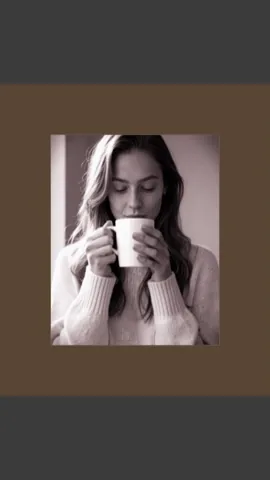
The first roll-film box camera gave round pictures, sent back to the factory for printing. A small circular print on a brown card, purple-brown, with dark corners and soft edges.

circular · card mount · purple-brown
Circular roll film · Blue-sensitive black and white
dark cornershalation around highlightssoft optics
Cabinet Card Portrait, rendered by the app
1890-02

Cabinet Card Portrait

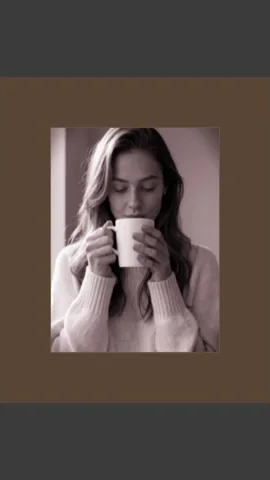
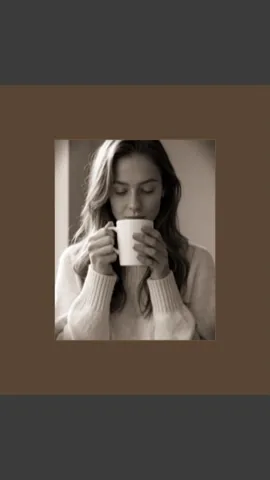
The card-mounted portrait of the late Victorian parlor. A 4:3 print toned purple-brown on a wide brown card, with blank skies and dark reds from a blue-sensitive emulsion.

4:3 · card mount · purple-brown
Roll-film contact print · Blue-sensitive black and white
halation around highlightsdark corners
Albumen Print, rendered by the app
1890-03

Albumen Print

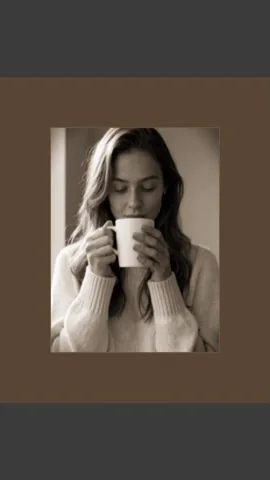
Albumen paper, made with egg white, was the warm, glossy print of the century and fading out by the 1890s. Warm brown tone on a card mount.

4:3 · card mount · warm albumen
Roll-film contact print · Blue-sensitive black and white
halation around highlightsdark corners
Cyanotype Blueprint, rendered by the app
1890-04

Cyanotype Blueprint

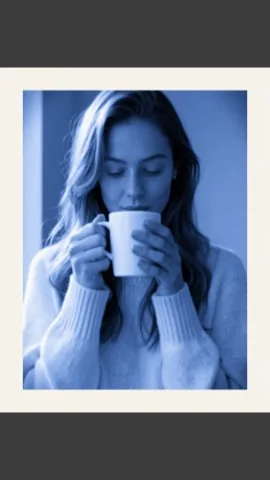
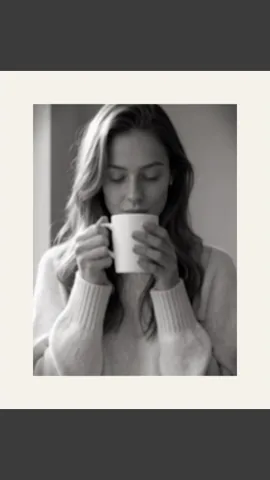
The cheap blueprint process that amateurs printed in the sun. Prussian blue on a white border, with soft contrast and visible paper texture.

4:3 · white border · cyanotype blue
Roll-film contact print · Blue-sensitive black and white
paper texturehalation around highlightsdark corners
Platinum Print, rendered by the app
1890-05

Platinum Print

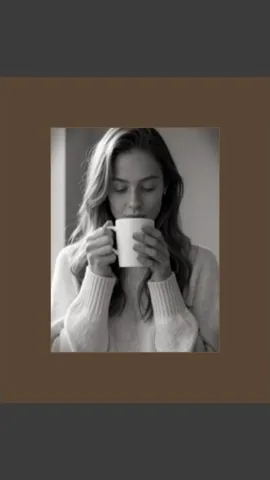
Platinum paper was the costly print with a long, soft grey scale. Neutral grey tones, low contrast and paper texture on a card mount.

4:3 · card mount · platinum
Roll-film contact print · Blue-sensitive black and white
paper texturehalation around highlightsdark corners
Glass Plate Landscape, rendered by the app
1890-06

Glass Plate Landscape

The serious amateur's glass plate, sharper than roll film. A 5:4 borderless contact print in purple-brown with a glow around bright areas.

5:4 · borderless · purple-brown
Dry plate contact print · Blue-sensitive black and white
halation around highlightsdark corners
Victorian Studio Portrait, rendered by the app
1890-07

Victorian Studio Portrait

The studio portrait from a plate camera with a head-rest and skylight. 5:4 in sepia on a card mount, with shallow focus and a deep vignette.

5:4 · card mount · sepia
Dry plate contact print · Blue-sensitive black and white
dark corners
Magnesium Flash Portrait, rendered by the app
1890-08

Magnesium Flash Portrait

Magnesium flash powder lit interiors with one bright, smoky burst. Hard light on the middle of the frame that falls off fast into darkness toward the edges, on a 5:4 card-mounted print.

5:4 · card mount · purple-brown
Dry plate contact print · Blue-sensitive black and white
flash fall-offhalation around highlights
Early Pictorialist, rendered by the app
1890-09

Early Pictorialist

Pictorialists printed soft on purpose, to look like paintings. Very soft focus, glowing highlights and strong paper texture on a platinum print with a white border.

4:3 · white border · platinum
Roll-film contact print · Blue-sensitive black and white
paper texturehalation around highlightssoft optics
Faded Victorian Album, rendered by the app
1890-10

Faded Victorian Album

A card-mounted print as it looks in an album today. Faded, yellowed, with silvering in the shadows and scratches and dust.

4:3 · card mount · purple-brown
Roll-film contact print · Blue-sensitive black and white
fadingyellowingscratches and dustsilvering
Victorian Outdoor Family, rendered by the app
1890-11

Victorian Outdoor Family

Families posed outdoors for a glass-plate camera, often for a long exposure. A 5:4 purple-brown print on card, with a slight sideways blur over the whole picture.

5:4 · card mount · purple-brown
Dry plate contact print · Blue-sensitive black and white
halation around highlights
Tintype Portrait, rendered by the app
1890-12

Tintype Portrait

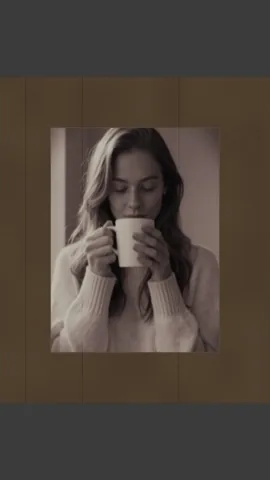
The quick portrait on a thin iron plate, made at fairs and beaches. A dark, warm-black 5:4 image with no border.

5:4 · borderless · warm black
Tintype plate · Blue-sensitive black and white
halation around highlightsdark corners

The sound of the 1890s

A computer voice reading one line, passed through this decade's chain by the app's own audio code (PERIOD, DEGREE 7), with the medium's noise bed. Headphones help.

Wax Cylinder Phonograph. With SOUND on PERIOD, your audio passes through this decade's chain:

20 Hz2002k20k Hz
Band250 Hz – 2500 Hz
Recordedmono, like everything the app records
Noise bedprojector ticks, 50 Hz hum, hiss, crackle
Wow · flutter1.2% · 0.5%

SILENT drops your voice and keeps only this noise bed. ORIGINAL leaves your iPhone's audio untouched. How period sound works

Meanwhile, in the 1890s

The camera opens on a different decade every day, with one of these facts under the dial.

  • 1891Edison files patents for the Kinetograph camera.
  • 1893Edison's Black Maria studio opens in New Jersey.
  • 1894The first Kinetoscope parlor opens in New York.
  • 1895The Skladanowsky brothers screen films in Berlin.
  • 1895The Lumières hold a paid film screening in Paris.
  • 1896Edison's Vitascope projects films in New York.
  • 1896Georges Méliès starts making his first films.