1910-01
Early Amateur Motion Picture
Early amateur filming on 35 mm, still a hobby for the few. Orthochromatic black and white at 16 fps, with heavy grain, flicker and weave.
heavy grainexposure flickergate weave
A war, a pocket camera and a picture house on every high street.
By the 1910s the cinema was an industry. Studios moved to Hollywood, Chaplin found the Tramp, and features stretched to an hour and more. The film itself had changed less than the business around it. It was still orthochromatic 35 mm on a flammable nitrate base, still exposed by a camera operator turning a crank, and still roughly sixteen frames a second. Operators sped up or slowed down by feel, a frame or two either way, and the exposure breathed with them.
Films were seldom shown in plain black and white. Laboratories dyed whole scenes amber, blue, green or rose. Many feature prints of the decade carried tinted scenes. Color photography of the real thing was rarer. One two-color process filmed alternate frames through red and green filters and projected them the same way. The eye blended them into a picture with warm skin and fresh greens but no true blue. Anything that moved between the red frame and the green frame grew colored fringes along its edges.
The Great War put cameras near the front. Newsreel operators worked with heavy tripod cameras in bad light and guessed their exposures. Their films are high in contrast, uneven in brightness and often a little shaky. At home, private film was still a rich family's hobby. In 1912 a home projector arrived that ran 28 mm film on a non-flammable acetate base, so a reel could be shown safely in a living room. Most of what people watched at home were printed copies of commercial films, a little soft and grey from duplication.
In still photography this was the decade of the pocket camera. A folding vest-pocket camera of 1912 took 127 roll film and fitted in a coat pocket. Soldiers carried it to war, and its small, soft pictures fill the albums of the period. From the middle of the decade, autographic cameras let you open a flap on the back and write on the film's backing paper with a stylus, and the note printed in the margin of the negative. Real photo postcards were at their peak. The color plate of starch grains was still the only easy way to photograph a garden in color. Panchromatic material, sensitive to red as well, was on sale but rarely used by amateurs. Newspapers printed photographs through a halftone screen, as a grid of tiny dots.
The 1910s technologies run at a 16 fps cadence, held inside your iPhone's 24 fps file (how frame holding works). The base is a little finer and steadier than the 1900s: orthochromatic black and white with heavy grain, flicker, gate weave and soft corners. Variable Frame Rate runs a 17 fps cadence with stronger flicker. Early Travel Footage adds a handheld shake. Great War Newsreel raises the contrast and makes the exposure wander.
Two-Colour Process builds the picture from red and green records only, so blues turn green-grey. Along edges, red and green fringes swap sides from one frame to the next. Tinted Silent Film dyes the highlights a warm amber. Preserved Silent Film is the restored archive print, with finer grain and almost no flicker or weave. Safety Film Home Print is the soft, flatter duplicate you would have projected at home.
In STILL, the base is a 7:5 folding-camera print with a white border, toned warm black. Vest Pocket Snapshot crops to 3:2, a little softer, with darker corners. Handwritten Margin Note prints the date on the picture in cream italic type, even with DATE STAMP off. Newspaper Halftone turns the picture into a dot screen on newsprint texture. Panchromatic Portrait renders red as a natural grey instead of black. The starch-grain plate, the box camera's square and the postcard shape are all here, and Faded Great War Album brings the fading, yellowing and silvering of a hundred years.
With SOUND on PERIOD, your audio goes through an acoustic disc recording: about 180 to 3,200 Hz, a horn resonance, shellac crackle and hiss, and a gentle wow. Nobody recorded sound with a home film camera in the 1910s; it is the gramophone of the decade playing along.
Next come the 1920s, when home movies finally became a hobby people could afford.
Twelve cameras on the TECHNOLOGY dial in CINE mode. Each frame below is the same shot, rendered by the app at DEGREE 7.
Early amateur filming on 35 mm, still a hobby for the few. Orthochromatic black and white at 16 fps, with heavy grain, flicker and weave.
A private 35 mm camera with a better lens. Sharper and less grainy than the base, with the decade's flicker and gate weave.
The family filmed on the lawn. Gentler contrast, steadier camera and softer flicker.
Great War newsreel operators guessed exposures in bad light. High contrast, wandering exposure and some camera shake over heavy grain.
A camera carried on journeys and set up quickly. Visible handheld shake and stronger gate weave on top of the grain and flicker.
An additive process filmed red and green records in turn. Warm skin and greens but no true blue, with red and green fringes that swap sides on every frame.
Silent prints were dyed scene by scene. A warm amber in the highlights over deep blacks.
A soft portrait lens of the decade. Very soft focus and a glow around highlights over grain and flicker.
Operators cranked a little fast or slow by feel. A 17 fps cadence with stronger flicker.
The archive restoration of a silent film. Finer grain, very little flicker or weave, and a clean, steady picture.
Westerns were shot outdoors in bright sun. Crisp, contrasty and a little bright, with grain, flicker and weave.
From 1912, home projectors ran duplicate prints on non-flammable film. A soft, flat, greyer copy with grain.
Twelve styles on the STYLE dial in STILL mode, with the print's own shape and border.
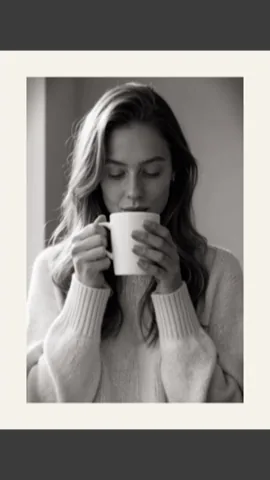
The folding vest-pocket camera of 1912 took 127 film and fitted in a coat pocket. A small 3:2 warm-black print with soft corners.
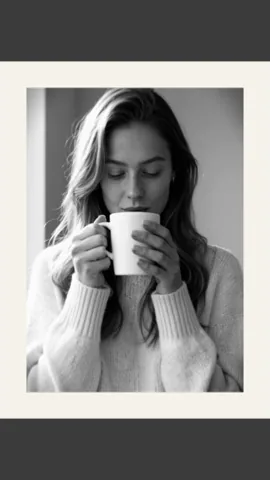
Orthochromatic film on a folding camera in the street. A crisp, contrasty 7:5 print in neutral black with a white border.

Real photo postcards were at their peak. A long 17:10 warm-black print with a narrow border and paper texture.

The starch-grain color plate, still the easy way to shoot a garden in color. Soft pastel color under a fine mosaic of colored specks.
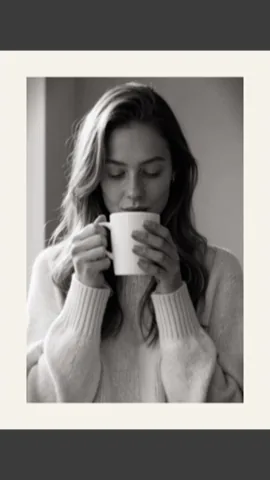
Soldiers carried vest-pocket cameras to the front. A grainy, soft 3:2 print with uneven exposure.

Panchromatic material saw red too, though few amateurs used it. A neutral 7:5 portrait with natural skin tones in grey and shallow focus.
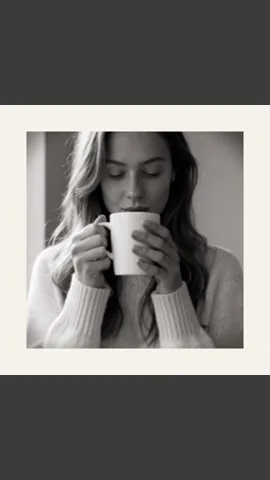
The box camera's square was still the family camera. A 1:1 warm-black print with soft, dark corners.
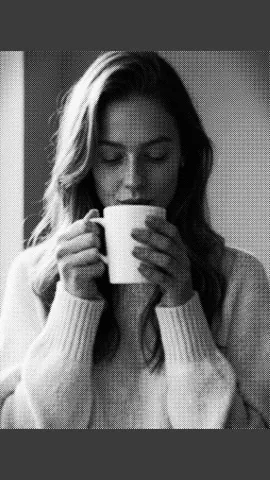
Newspapers printed photographs through a halftone screen. A borderless grid of dots on newsprint texture, soft and contrasty.
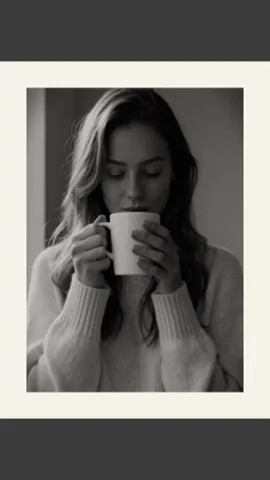
Indoors by one window, a box or folding camera was starved of light. A stop underexposed, grainy and contrasty, with motion blur.
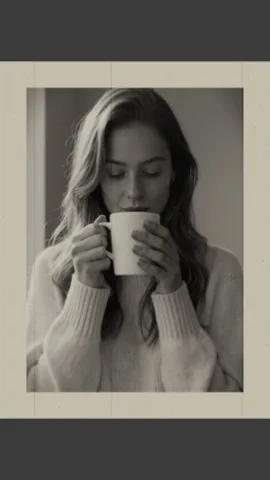
A Great War album page as it looks today. Faded and yellowed, silvered in the shadows, with scratches and dust.
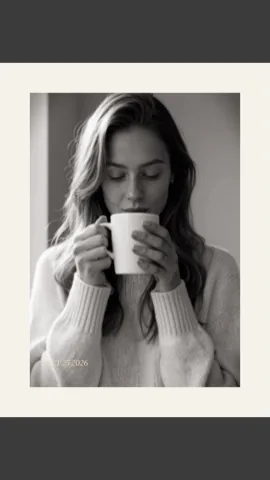
Autographic cameras let you write on the film's backing paper. A 7:5 print with the date in small cream italic type in a corner of the picture.

Sepia toning, common on 1910s prints. A 7:5 print in warm brown with a white border.
A computer voice reading one line, passed through this decade's chain by the app's own audio code (PERIOD, DEGREE 7), with the medium's noise bed. Headphones help.
Acoustic Disc Recording. With SOUND on PERIOD, your audio passes through this decade's chain:
| Band | 180 Hz – 3200 Hz |
|---|---|
| Recorded | mono, like everything the app records |
| Noise bed | projector ticks, 50 Hz hum, hiss, crackle |
| Wow · flutter | 0.7% · 0.3% |
SILENT drops your voice and keeps only this noise bed. ORIGINAL leaves your iPhone's audio untouched. How period sound works
The camera opens on a different decade every day, with one of these facts under the dial.