1920-01
16 mm Home Cine
16 mm reversal film arrived in 1923: the camera film came back as the projection print. Orthochromatic black and white at 16 fps with fine grain and light flicker.
heavy grain
Home movies come within reach: a small cine camera, a 100-foot reel and the family waving.
The 1920s are when home movies became a hobby people could afford. Two narrow gauges made it possible. In 1922 a French company launched 9.5 mm film for the home, with a single perforation in the middle, between the frames, so almost the whole width carried picture. In 1923 an American company launched 16 mm. Both used a safety base that would not catch fire, and both used reversal film: the strip that ran through the camera came back from the laboratory as a positive, ready to project, with no separate negative and no print to pay for. The price of developing was often included when you bought the film.
The first amateur cine cameras were cranked by hand; spring motors soon took over. Either way they ran at about sixteen frames a second, the standard for silent amateur film, which kept a 100-foot reel going for around four minutes. The lenses were small and slow, so people filmed outdoors, in daylight, and the pictures are soft at the edges with a fine grain that sat on everything. 9.5 mm frames were a little smaller than 16 mm ones, so they were softer and grainier when projected large. Most amateur stock was still orthochromatic, blind to red. Panchromatic film, which saw the whole spectrum and rendered skin and skies more naturally, spread through Hollywood in the second half of the decade.
Color reached the home late in the decade. A 16 mm process of 1928 embossed the film with tiny vertical lenses and put a striped color filter over the camera lens; projected through a matching filter, the black-and-white film showed soft, muted color. In the cinema, a two-color subtractive process printed a pair of dyes, red-orange and blue-green, onto the film. It gave rosy skin and turquoise skies but could not make a true blue or purple.
Professional film moved faster, too. Silent features crept from about sixteen frames a second towards twenty-four, and when synchronized sound arrived, with The Jazz Singer in 1927, 24 fps became the fixed standard. Newsreels went over to panchromatic stock and sharper lenses.
The snapshot was now a habit. Folding cameras and vest-pocket cameras filled black-paged albums with small, warm-black contact prints edged in white. From 1925 a 35 mm miniature camera put cine film into a still camera and made enlarging normal. That same year an automatic photo booth opened on Broadway and made a strip of poses for a quarter. Studios lit stars with soft, glowing light for glamour portraits. Modernist photographers went the other way, towards hard contrast and sharp geometry. In 1929 a twin-lens reflex brought a square roll-film negative and a waist-level finder.
The 1920s base is 16 mm home cine: orthochromatic black and white at a 16 fps cadence, held inside the 24 fps file, with grain, a soft vignette, light flicker and a gentle handheld sway. It is noticeably steadier than the 1910s. 9.5 mm Home Cine is grainier and softer. 16mm Travel Film and Handheld Cine Camera shake more. Panchromatic 16mm shows red as a natural grey.
Lenticular Colour 16mm gives muted color with faint vertical stripes from the lenticules. Two-Strip Colour Process rebuilds blue from red and green, so skin goes pink and blue never quite arrives. It and Late Silent 35mm run at the full 24 fps, with little flicker or weave. Tinted Home Film dyes the highlights a soft amber.
In STILL, the base is a 7:5 folding-camera print with a white border in warm black. You also get a 3:2 miniature enlargement with more grain, a photo booth strip that repeats your shot four times in sepia, a glamour portrait with halation and shallow focus, a borderless modernist print with hard contrast, the twin-lens square with shallow focus, a late starch-grain plate, a hand-colored print and Faded Jazz Age Album.
With SOUND on PERIOD, your audio passes through a late acoustic or early electrical recording: about 150 to 4,500 Hz, a softer resonance, shellac crackle and hiss, and less wow than before. Electrical recording with microphones replaced the horn from 1925, and the band is wider. Home cine cameras still had no sound.
Go on to the 1930s for 8 mm film and the first saturated color for amateurs.
Twelve cameras on the TECHNOLOGY dial in CINE mode. Each frame below is the same shot, rendered by the app at DEGREE 7.
16 mm reversal film arrived in 1923: the camera film came back as the projection print. Orthochromatic black and white at 16 fps with fine grain and light flicker.
9.5 mm home cine of 1922, with a perforation between frames. Grainier and softer than 16 mm, at a 16 fps cadence.
Families filmed in bright daylight on 16 mm. Gentle contrast, a little sharper and steadier than the base.
A 16 mm camera taken on holiday. Noticeable handheld shake over the grain.
Panchromatic film saw red as well as blue and green. Natural grey skin and lips, lower contrast and fine grain.
From 1928, 16 mm film embossed with tiny lenses gave additive color. Muted color with faint vertical stripes across the frame.
Light amateur cameras were held in the hand. Strong handheld shake with a slightly softer picture.
A two-color subtractive cinema process printed red-orange and blue-green dyes. Pink skin, no true blue, at the full 24 fps with little flicker.
Amateur reels could be dyed like cinema prints. Soft amber highlights over the 16 mm picture.
Professional 35 mm newsreels moved to panchromatic stock. Sharp, contrasty and steady at a 16 fps cadence, with fine grain.
Sports and races filmed on 16 mm by keen amateurs. Grainier, with handheld shake and uneven exposure.
Late silent features approached sound speed. Panchromatic 35 mm at the full 24 fps, with fine grain and almost no flicker or weave.
Twelve styles on the STYLE dial in STILL mode, with the print's own shape and border.

The folding roll-film camera, the decade's everyday snapshot. A 7:5 warm-black print with a white border.

From 1925, 35 mm miniature cameras made enlarging normal. A 3:2 neutral print, sharper but grainier, with a white border.
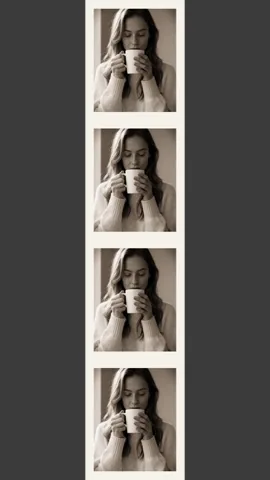
The automatic photo booth opened on Broadway in 1925. A strip of four sepia copies of your shot.

Studio glamour portraits lit for a glowing face. Panchromatic, soft focus, halation in the highlights and dark corners on a 5:4 print.

Modernist photographers went for hard contrast and geometry. A borderless, sharp, high-contrast panchromatic print.

Real photo postcards were still common. A long 17:10 print in warm black with paper texture.

Starch-grain color plates were still sold through the decade. Soft pastel color under a fine mosaic of colored specks.

Prints were often colored by hand with brush and dyes. A soft wash of color over a sepia print with paper texture.

A twin-lens reflex of 1929 brought a square roll-film negative and a waist-level finder. A sharp, neutral 1:1 print with shallow focus.
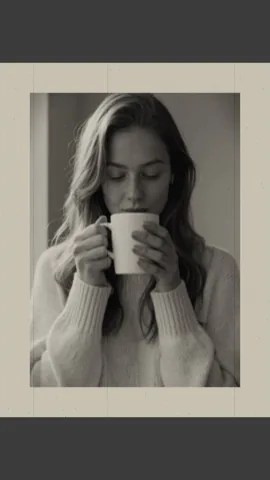
A 1920s album page as it looks today. Faded and yellowed, with silvering and scratches and dust.

The vest-pocket 127 camera was still everywhere. A small 3:2 warm-black print with softer corners.

Sepia toning on an everyday snapshot. A 7:5 print in warm brown with a white border.
A computer voice reading one line, passed through this decade's chain by the app's own audio code (PERIOD, DEGREE 7), with the medium's noise bed. Headphones help.
Late Acoustic / Early Electrical Recording. With SOUND on PERIOD, your audio passes through this decade's chain:
| Band | 150 Hz – 4500 Hz |
|---|---|
| Recorded | mono, like everything the app records |
| Noise bed | 50 Hz hum, hiss, crackle |
| Wow · flutter | 0.5% · 0.2% |
SILENT drops your voice and keeps only this noise bed. ORIGINAL leaves your iPhone's audio untouched. How period sound works
The camera opens on a different decade every day, with one of these facts under the dial.